About Barbie
More Than Just a Doll, a Legacy of Imagination and Empowerment
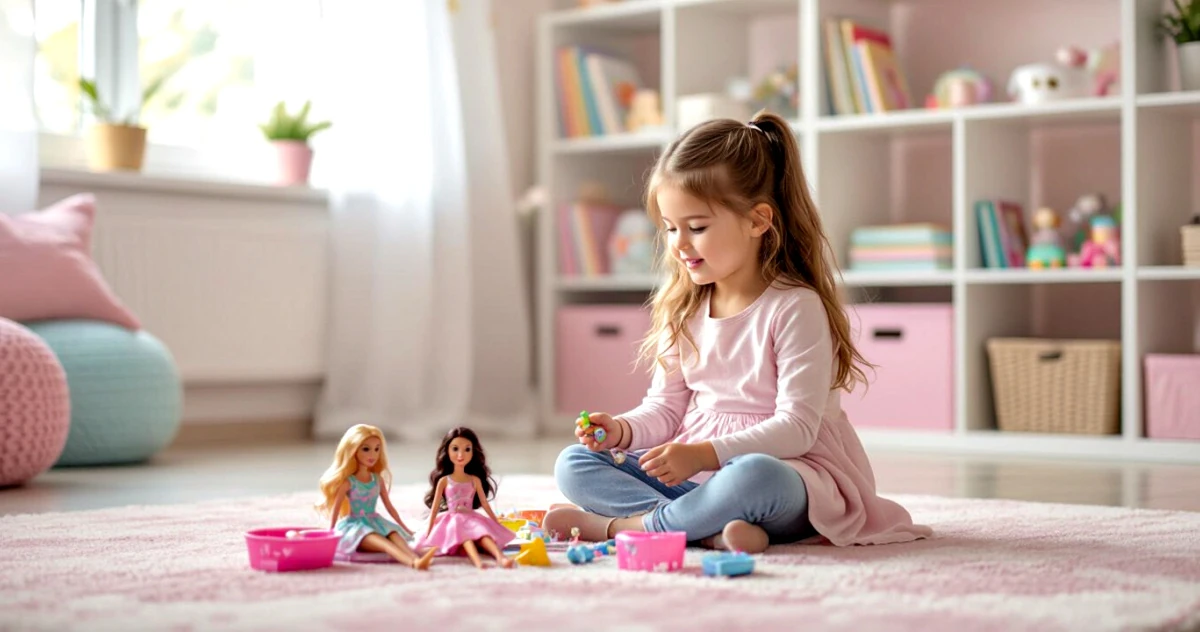
Barbie, the iconic plastic doll with the impossibly long legs and endless wardrobe, transcends mere playthings. She’s a cultural phenomenon, a symbol of empowerment, and a window into the ever-evolving world of childhood dreams. Her story, intertwined with social shifts and evolving aspirations, deserves a closer look beyond the pink perfection.
From Fashion Model to Role Model
Born in 1959 from the visionary mind of Ruth Handler, Barbie wasn’t just another doll. She was a stark contrast to the prevalent baby dolls, embodying the image of a teenage fashion model with a career and independent spirit. This groundbreaking concept sparked controversy, challenging traditional gender roles and igniting conversations about female representation in play.
Barbie’s journey hasn’t been without its bumps. Critics initially raised concerns about her unrealistic body image and emphasis on materialistic values. However, the brand adapted, reflecting changing societal norms and diversifying its offerings. Today, Barbie boasts over 200 careers, diverse ethnicities, and body types, representing a more inclusive and realistic vision of the world.
Mission: Empowering Girls to Dream Big
Barbie’s mission statement, “To empower girls to imagine their possibilities and pursue their dreams,” aptly reflects her evolution. She’s no longer just a fashion icon; she’s a doctor, an astronaut, a firefighter, a coder – anything a girl can dream of being. Through her diverse roles and narratives, Barbie encourages children to explore their potential, challenge stereotypes, and embrace their individuality.
More than just a doll, Barbie is a cultural touchstone, a mirror reflecting societal changes, and a powerful tool for fostering imagination and empowerment. Her legacy continues to inspire generations of girls to reach for the stars, proving that play can be more than just fun – it can be transformative.
Quality and Safety
Barbie prioritizes the safety and well-being of children, adhering to strict quality and safety standards throughout their production process. Here’s a breakdown:
Materials
Primarily uses ABS plastic, a non-toxic and recyclable material commonly found in toys.
-
- Avoids harmful substances like lead, phthalates, and bisphenol A (BPA) in all products.
-
- Regularly tests materials for compliance with international safety regulations.
Safety Features
-
- Products undergo rigorous testing to meet international safety standards like EN 71 in Europe and ASTM F963 in the US.
-
- Small parts have rounded edges and are designed to prevent choking hazards.
-
- Hair is securely attached and flame retardant.
-
- Electrical components, if present, meet safety certifications for low voltage and insulation.
Compliance
-
- Regularly audits suppliers and manufacturing processes to ensure continued compliance with safety standards.
-
- Maintains open communication with regulatory bodies like the US Consumer Product Safety Commission (CPSC) and the UK Chartered Trading Standards Institute (CTSI).
-
- Provides product safety information on their website and packaging.
While past recalls have occurred, they were promptly addressed, and Barbie remains committed to continuous improvement in safety measures.
Environmental and Social Responsibility
While traditionally focused on plastic products, Barbie acknowledges the environmental impact of its operations and takes steps towards sustainability:
Eco-Friendly Materials
-
- Gradually incorporating recycled plastic into its product lines, aiming for 100% recycled, recyclable, or bio-based plastic materials by 2023.
-
- Exploring the use of sustainable materials like bamboo and organic cotton in packaging and accessories.
-
- Partnering with organizations like TerraCycle to promote recycling and waste reduction.
Social Responsibility
-
- Promotes diversity and inclusion through its dolls representing various ethnicities, body types, and abilities.
-
- Collaborates with organizations like UNICEF and SheRo to empower girls through education and leadership programs.
-
- Encourages community engagement through events and initiatives that promote healthy play and social interaction.
Challenges Remain
While Barbie has made strides towards sustainability and social responsibility, there’s still room for improvement. The complete transition to eco-friendly materials and broader community engagement efforts are ongoing goals.
Exploring Barbie’s Diverse Product Range
Barbie’s product range extends far beyond the classic fashion doll, offering a vast and diverse selection to cater to different age groups, interests, and themes. Let’s delve into this exciting world of play:
By Age Group:
-
- Preschool (3-5 years): These dolls are designed with chunky features, soft bodies, and simple mechanisms for little hands to explore. Playsets like My First Bath and My Tummy Time Baby encourage nurturing and imaginative play.
-
- Early Childhood (5-8 years): This category features the iconic Barbie Fashionistas and Careers dolls, each with unique styles, professions, and accessories. Fairytale and fantasy-themed dolls like Mermaid Barbie and Princess Adventure spark creativity and storytelling.
-
- Later Childhood (8-12 years): Barbie expands horizons with dolls representing diverse cultures and abilities, like the Inspiring Women series honoring real-life role models. Playsets like Dreamhouse and Campsite encourage social interaction and imaginative scenarios.
By Purpose:
-
- Fashion & Dress-Up: Countless outfits, accessories, and vehicles fuel endless fashion transformations with dolls like Fashionistas and Glam.
-
- Career Exploration: From doctor and astronaut to chef and teacher, Barbie Careers dolls inspire role-playing and career aspirations.
-
- Imaginative Play: Fairytale, princess, and superhero-themed dolls spark fantastical adventures, while playsets like It Takes Two Cooking Studio encourage collaborative play.
-
- STEM Learning: Coding dolls and robotics playsets introduce girls to the exciting world of science, technology, engineering, and math.
By Theme
-
- Holidays & Seasons: Celebrate special occasions with themed dolls and accessories, like Elf Barbie for Christmas or Ballerina Barbie for Nutcracker season.
-
- Movies & TV Shows: Capture the magic of favorite characters with dolls inspired by popular movies and TV shows, like Toy Story or Frozen.
-
- Collaborations: Barbie partners with iconic brands and personalities, offering unique dolls and playsets like the Karl Lagerfeld Collection or the Lisa Frank collaboration.
Remember, this is just a glimpse into the vast Barbie universe! With new additions and diverse themes constantly emerging, there’s a Barbie for every child’s imagination and dream.
Recall History and Safety Notices
Barbie, like many toy manufacturers, has experienced occasional product recalls in the past. These were primarily due to concerns about small parts posing choking hazards, specifically in accessories or doll hair.
Brief overview of past recalls
-
- 2007 & 2018: Recalls involving small magnets used in pet accessories that could detach and be swallowed.
-
- 2010 & 2014: Recalls concerning loose or peeling paint on dolls and accessories, potentially containing lead.
-
- 2019: Recall of a specific Barbie playset with small plastic pieces that could detach and pose a choking hazard.
It’s important to note that these instances were addressed promptly, and the affected products were removed from shelves. Barbie actively cooperates with regulatory bodies and implements corrective actions to prevent similar issues.
Current Safety Information
-
- Barbie maintains a dedicated “Safety Information” section on their website, listing any current recalls or safety notices.
-
- They encourage consumers to report any concerns or product issues directly.
-
- Commitment to using safe materials and adhering to stringent safety standards remains a top priority.
Transparency and open communication are key aspects of Barbie’s dedication to child safety. While past recalls occurred, they were addressed promptly, and ongoing efforts ensure product safety remains a priority.
Frequently Asked Questions
Barbie, the iconic doll loved by generations, continues to spark imaginations and raise questions. Here are some of the most frequently asked questions about Barbie:
What age is Barbie suitable for?
Barbie products are generally recommended for children aged 3 years and above. Standard Barbie dolls and playsets are ideal for children between 3 and 10 years, while collector editions are designed for teens and adults aged 14 and above. Always check the age recommendation on the individual product as some accessories and small parts may not be appropriate for younger children.
Are Barbie dolls and accessories from different collections compatible with each other?
Yes. Standard Barbie dolls share a consistent scale across most mainline collections, meaning clothes, shoes, furniture, and accessories from different ranges are generally interchangeable. Barbie’s fashion packs, playsets, and dreamhouse furniture are designed to work together across the core range, allowing children to expand their collections freely and mix items from different themed sets.
Does Barbie promote diversity and inclusion in its doll range?
Yes. Mattel has significantly expanded the Barbie range in recent years to reflect greater diversity. The current lineup includes dolls with different skin tones, body types, hair textures, and physical abilities, including dolls with prosthetic limbs and wheelchairs. Career-themed Barbie dolls also represent over 200 professions, promoting the message that children can be anything they choose.
What is the difference between playline Barbie and Barbie Signature collector dolls?
Playline Barbie dolls are designed for everyday play and are made to be handled, dressed, and played with by children. Barbie Signature collector dolls are premium products crafted for display and collecting, featuring detailed clothing, accessories, and packaging. Collector dolls are not recommended for children under 14 as they are made with more delicate materials and are not intended for rough play.
Is Barbie a good gift option and does it come in gift-ready packaging?
Barbie is one of the most widely recognised and gifted toy brands in the world. Most Barbie products come in attractive, display-friendly packaging that is ideal for gifting without additional wrapping. Gift sets, fashion packs, and playsets are particularly popular for birthdays and festive occasions. The wide price range also means there is a suitable Barbie gift option for every budget.